The G1 Roadbook · Ontario Graduated Licensing Guide
G1 Licence Restrictions In Ontario
A complete, plain-English guide to G1 licence restrictions in Ontario. The G1 licence requirements you need to meet, how Ontario’s graduated licensing system carries you from G1 to G2 to a full G, what car insurance for G1 drivers really looks like, current G1 licence fees, and the two things almost nobody explains correctly.
What is a G1 licence?
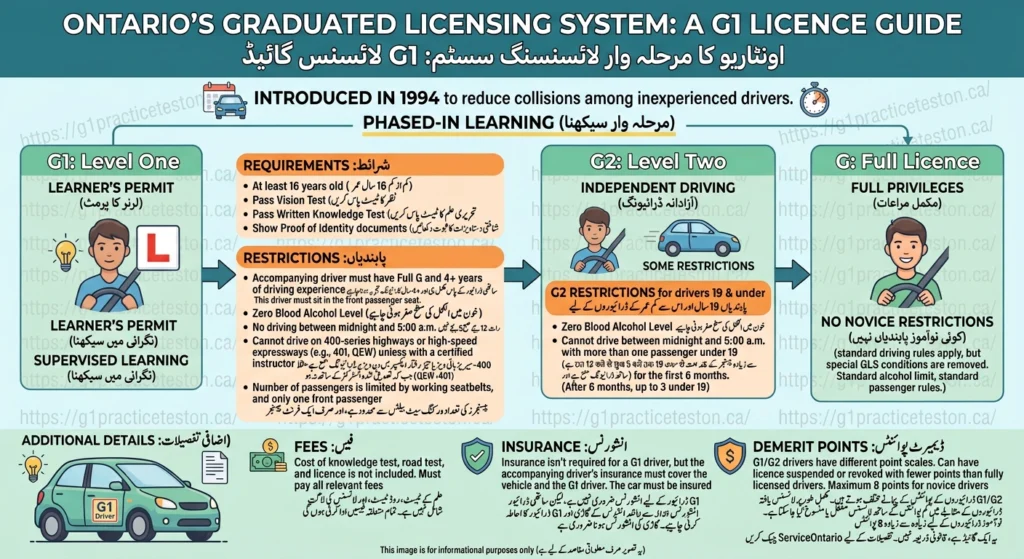
A G1 licence is Level One of Ontario’s graduated licensing system (GLS), introduced in 1994 to reduce collisions among inexperienced drivers. Instead of handing new drivers full privileges immediately.
The province phases them in across three stages:
G1 supervised learning, most restrictions apply;
G2 independent driving, some restrictions remain for younger drivers;
Full G: no novice-driver restrictions.
A G1 is often compared to a learner’s permit: it lets you sit behind the wheel and build real experience, but only under specific, legally defined conditions.
This guide walks through the G1 licence requirements, the G1 licence restrictions in Ontario you’ll need to follow, and everything that sits between them.
Fees, insurance, demerit points, and a couple of things most sites get wrong.
G1 licence requirements in Ontario
To apply for a G1, you must:
- Be at least 16 years old
- Be a resident of Ontario (visitors aren’t eligible for an Ontario licence)
- Pass a vision test at a DriveTest centre
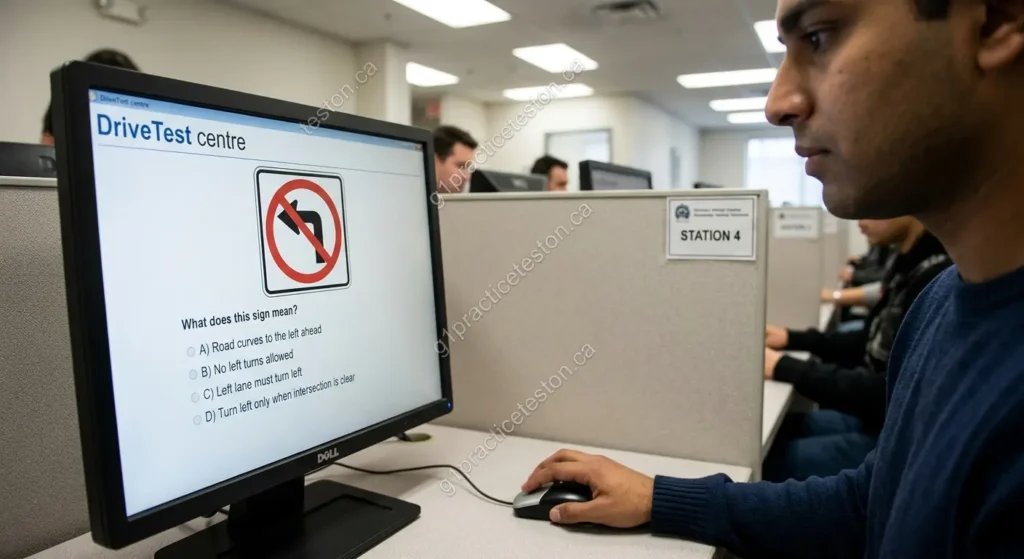
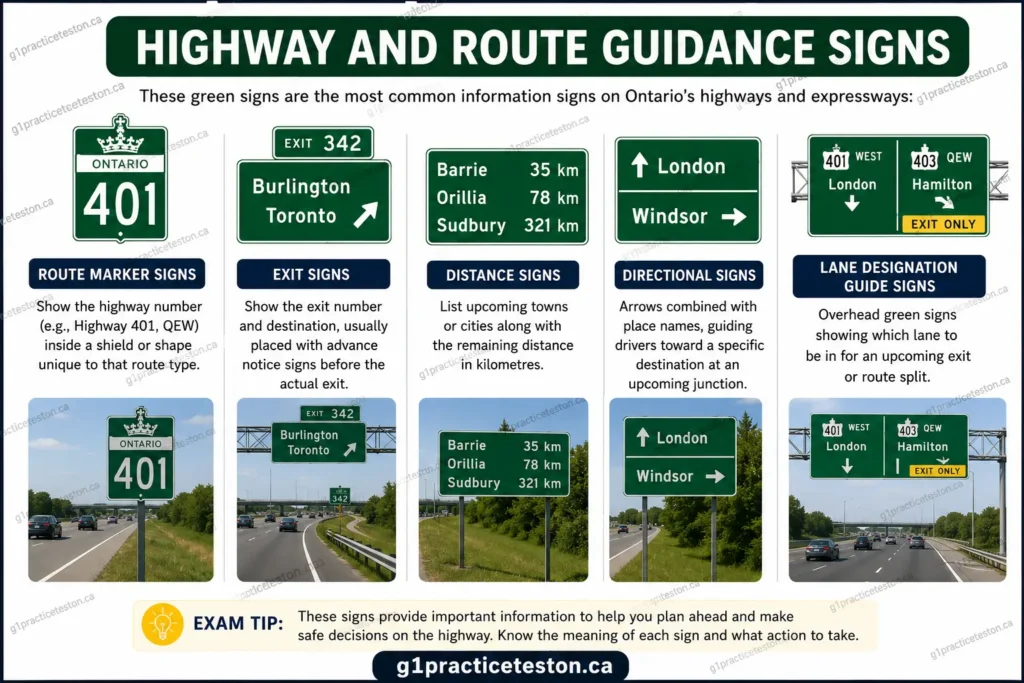
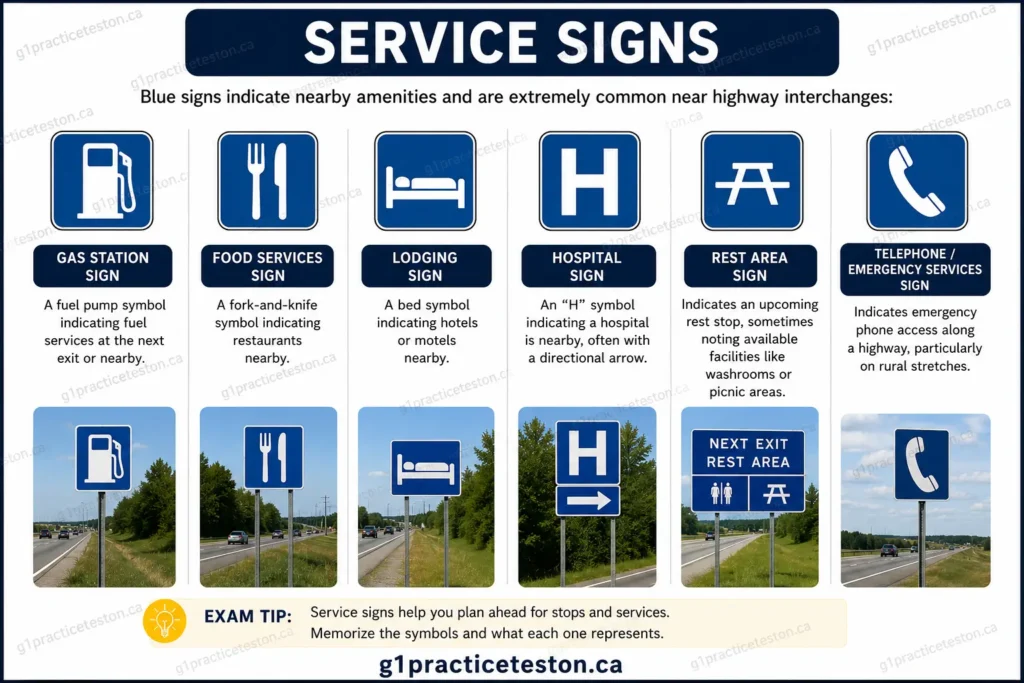
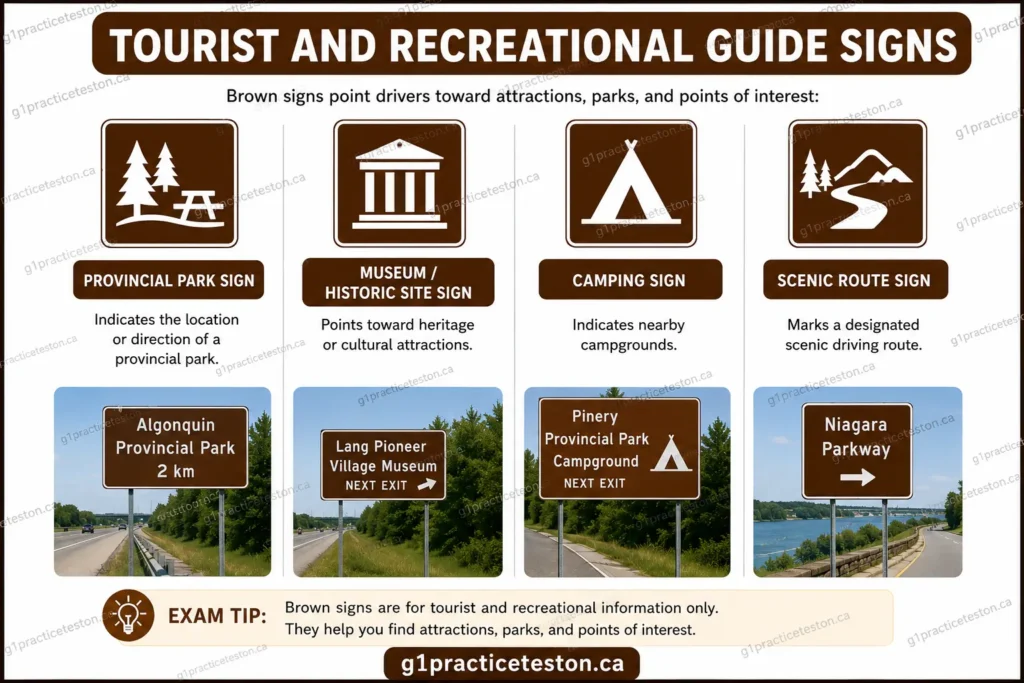
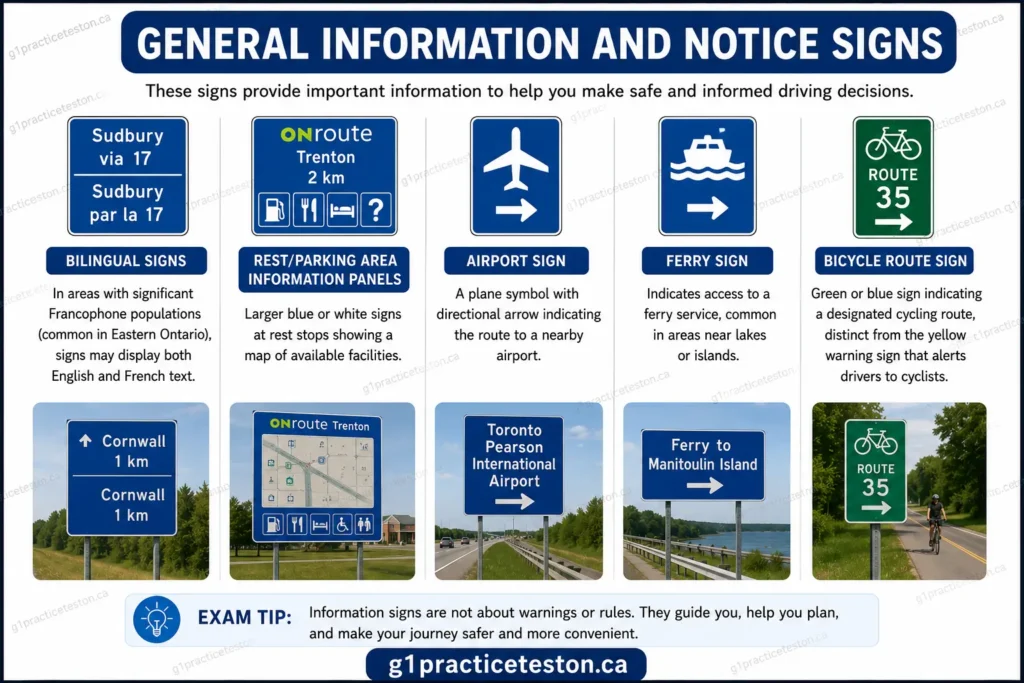
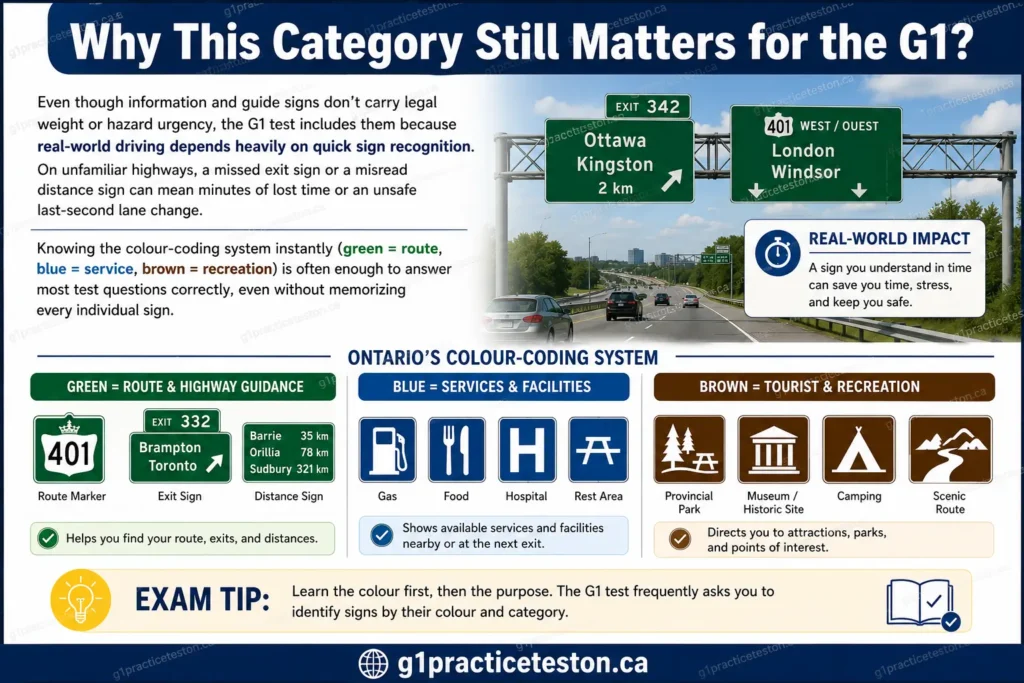
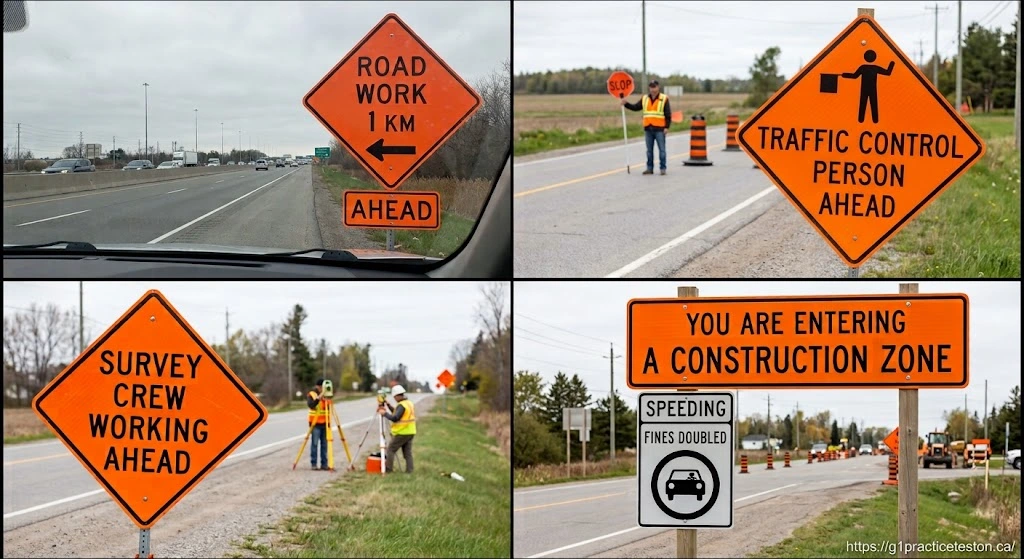
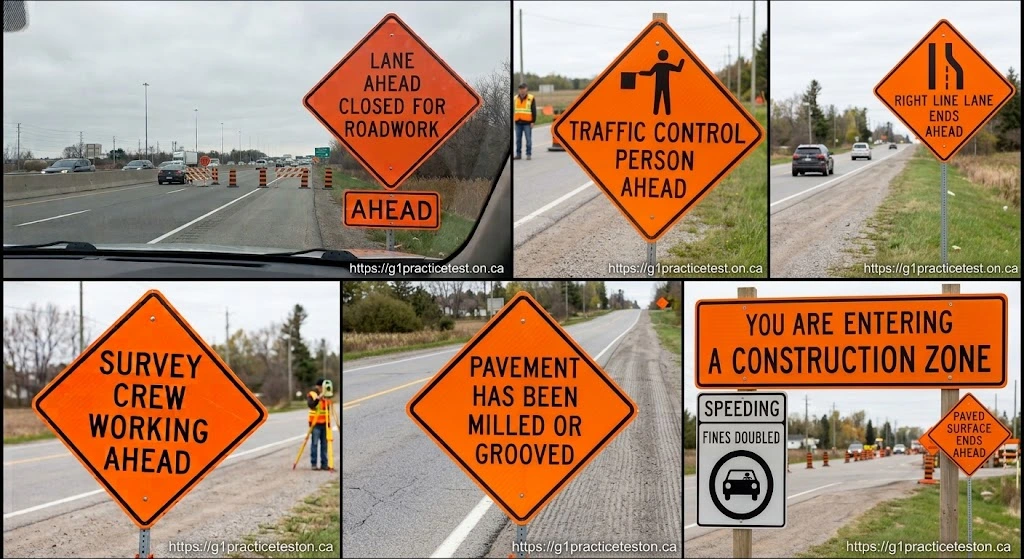
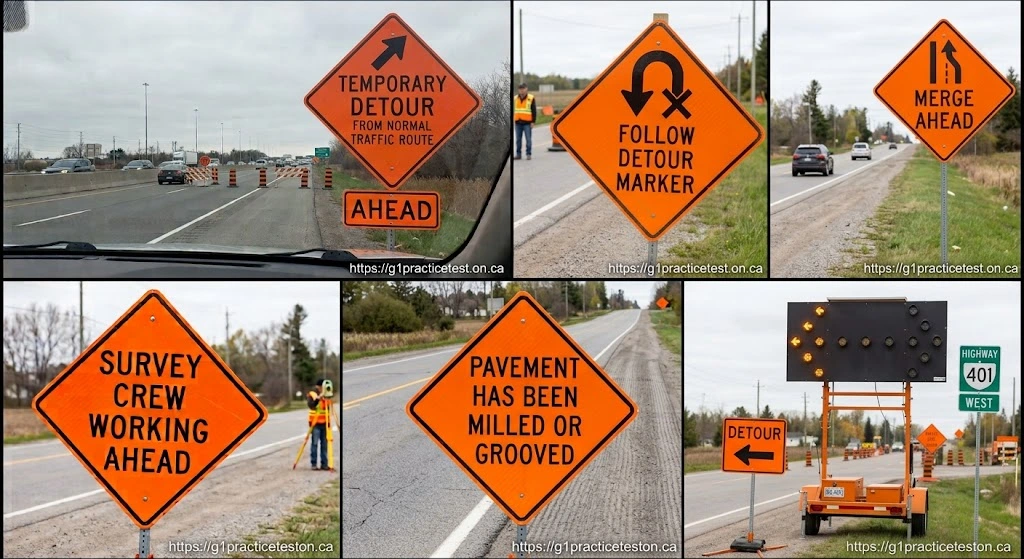
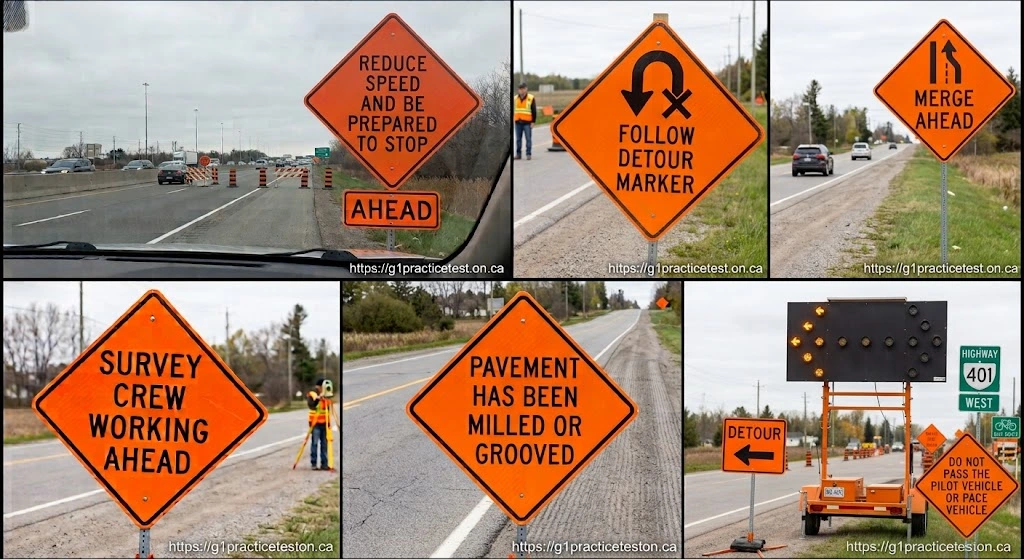
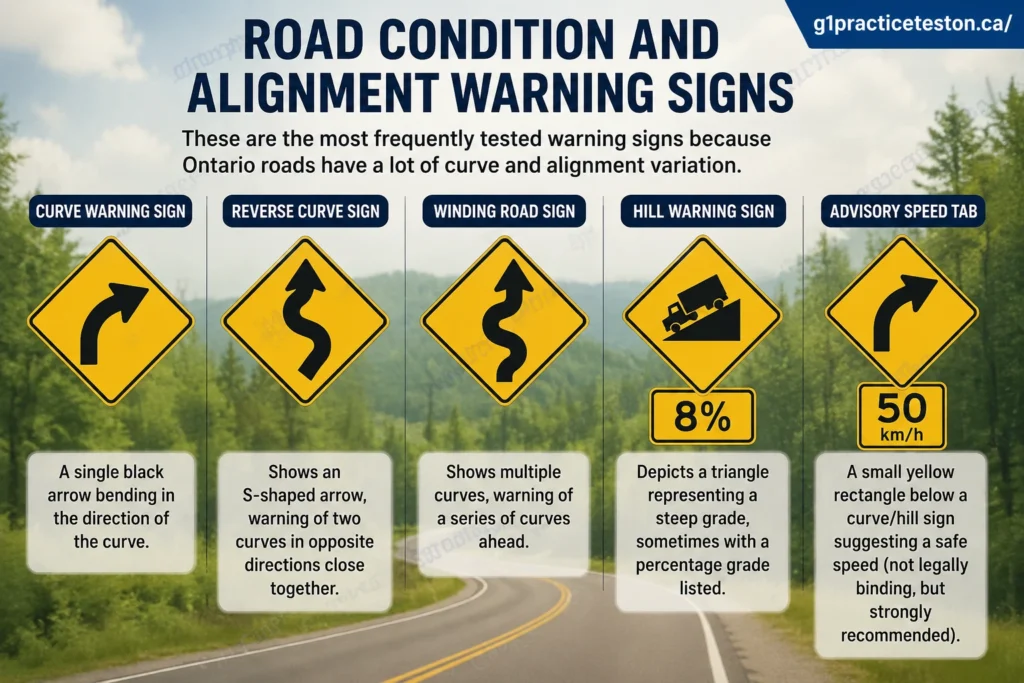
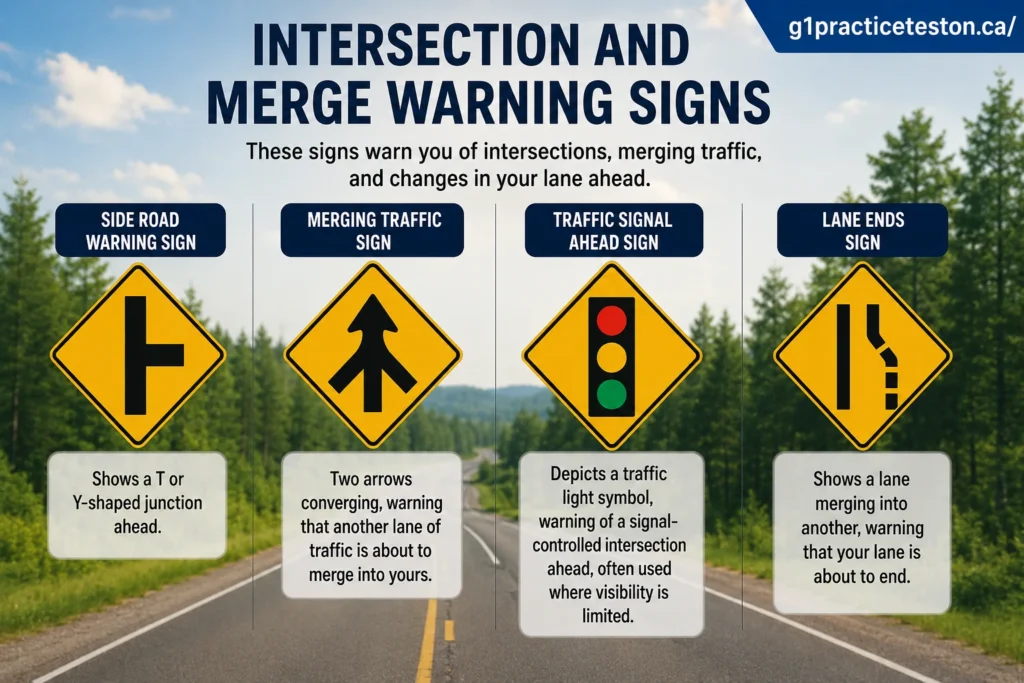
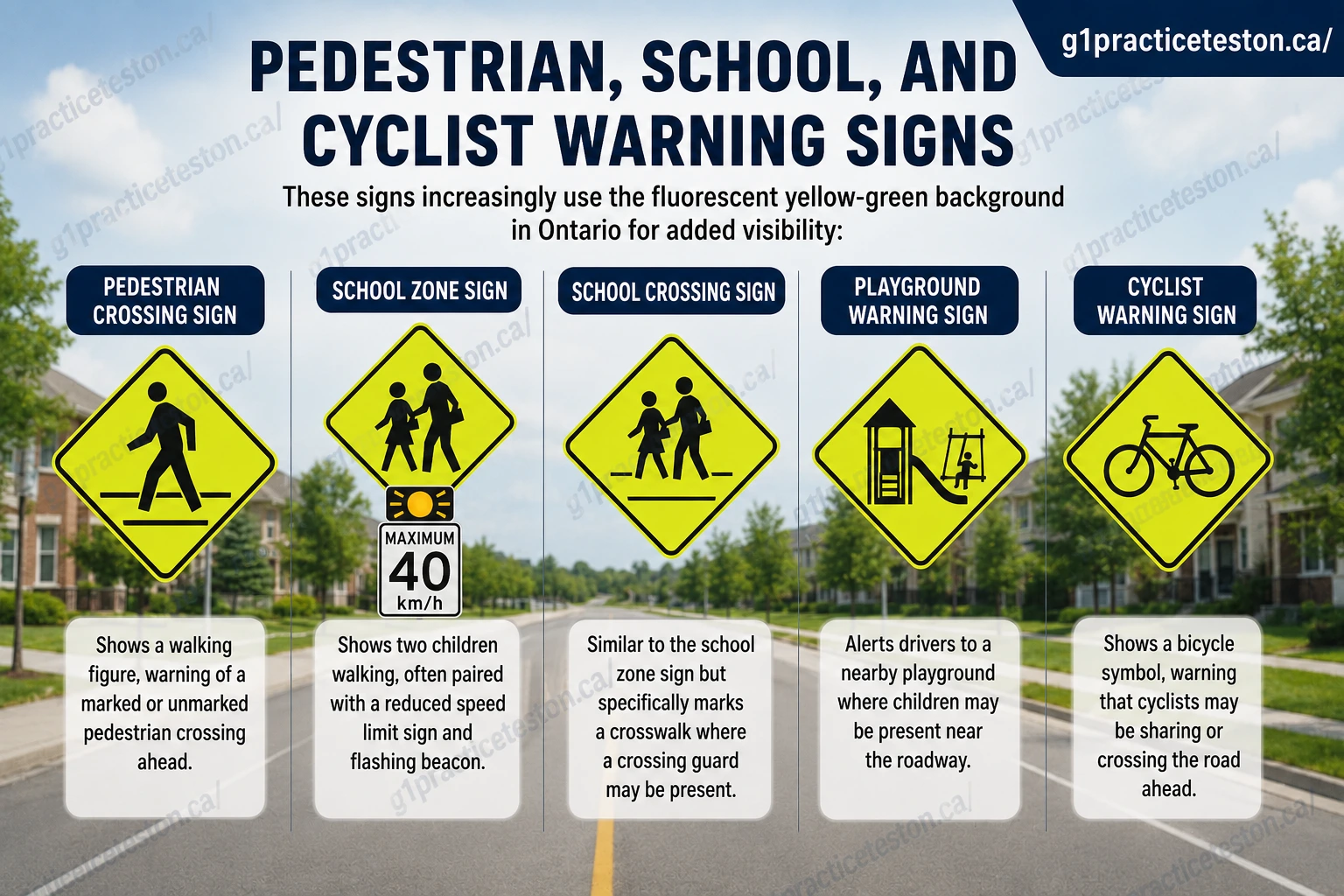
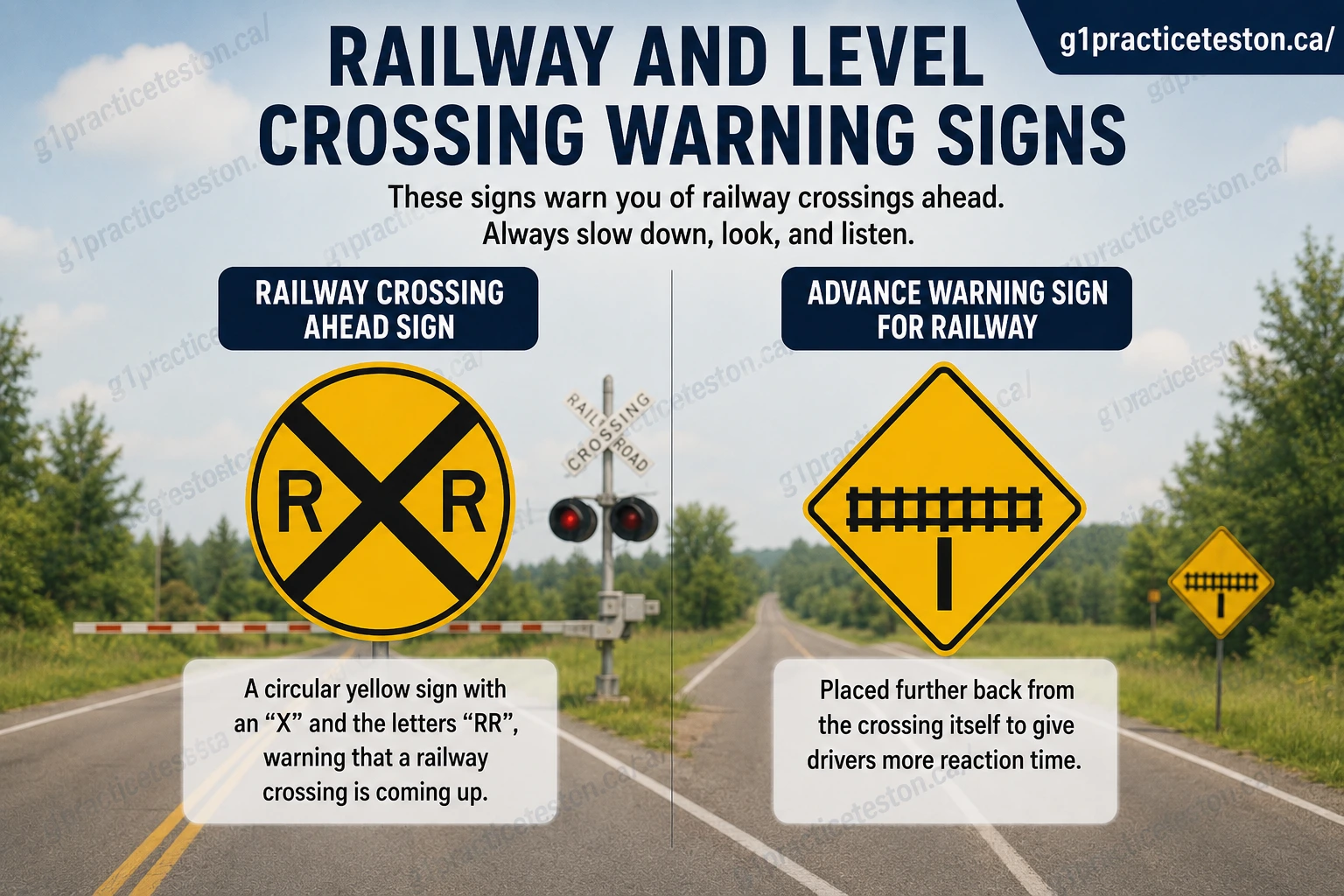
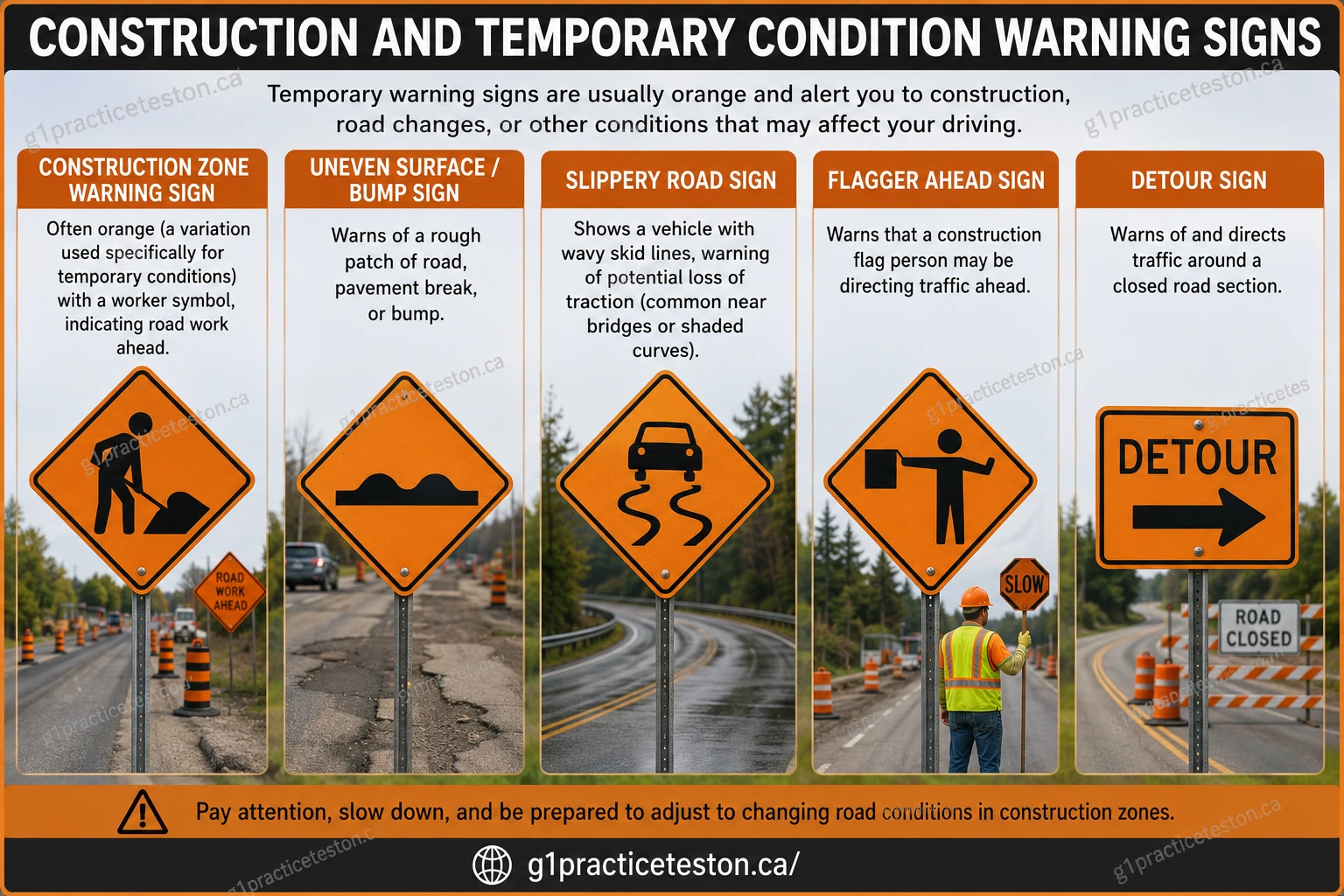
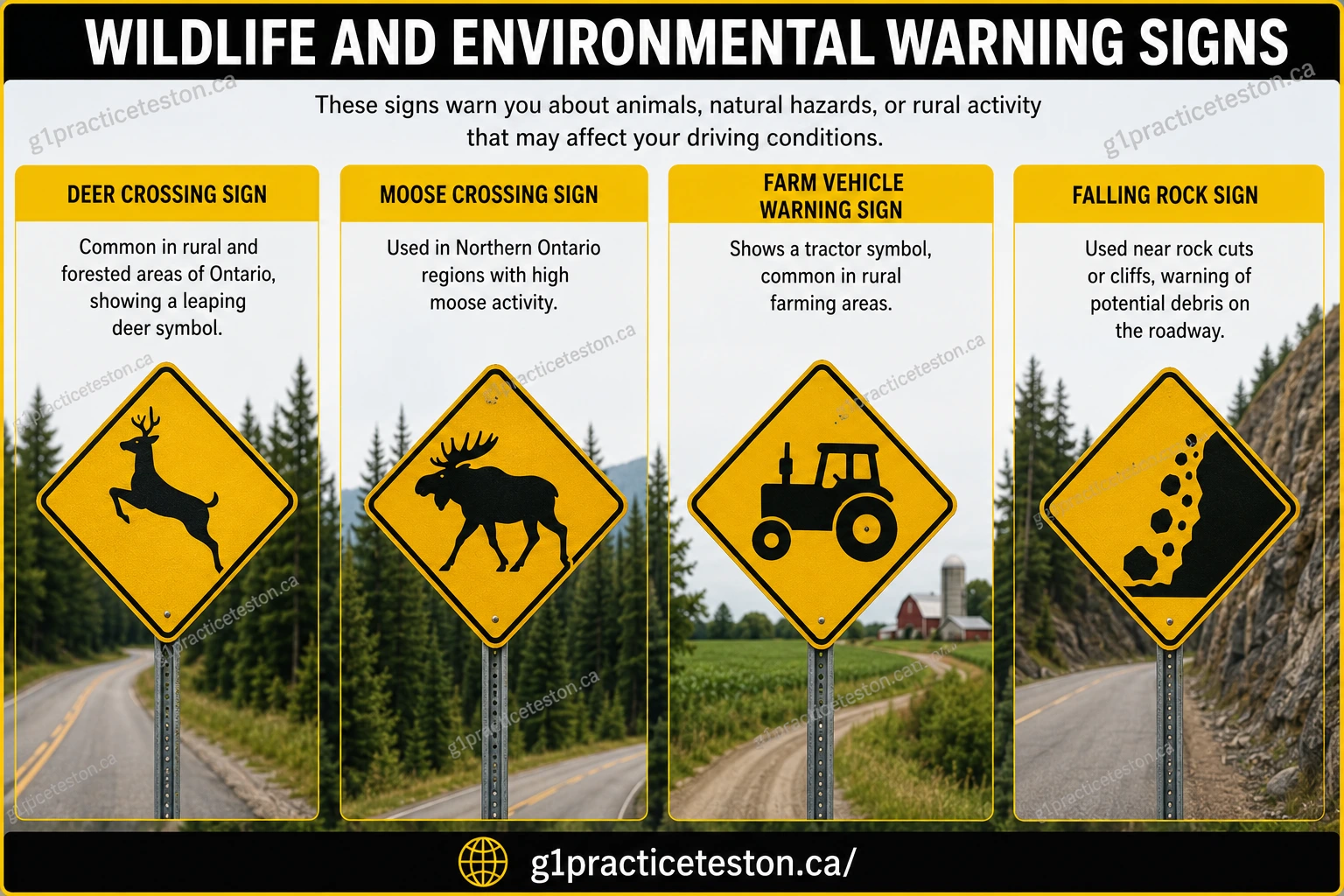
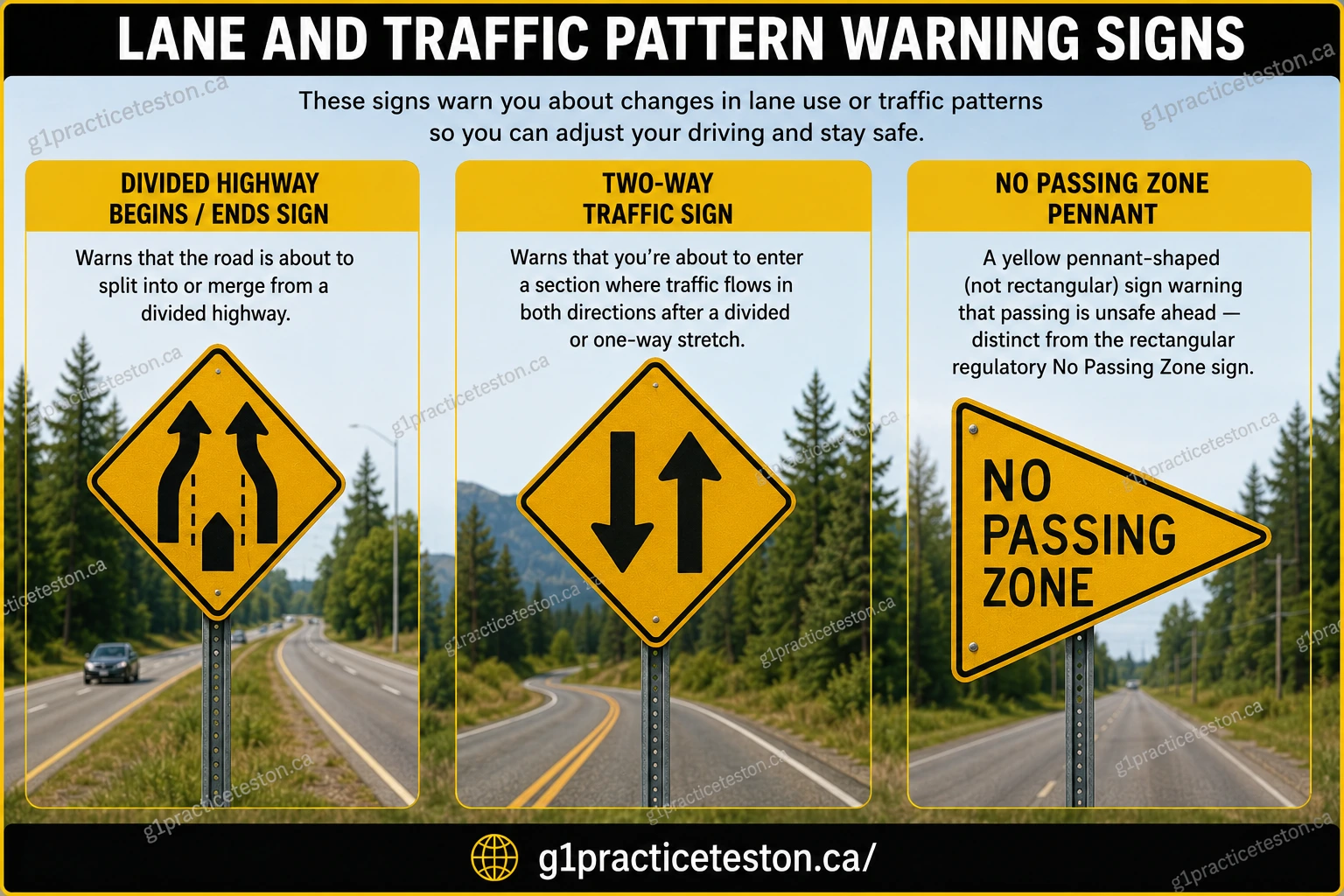
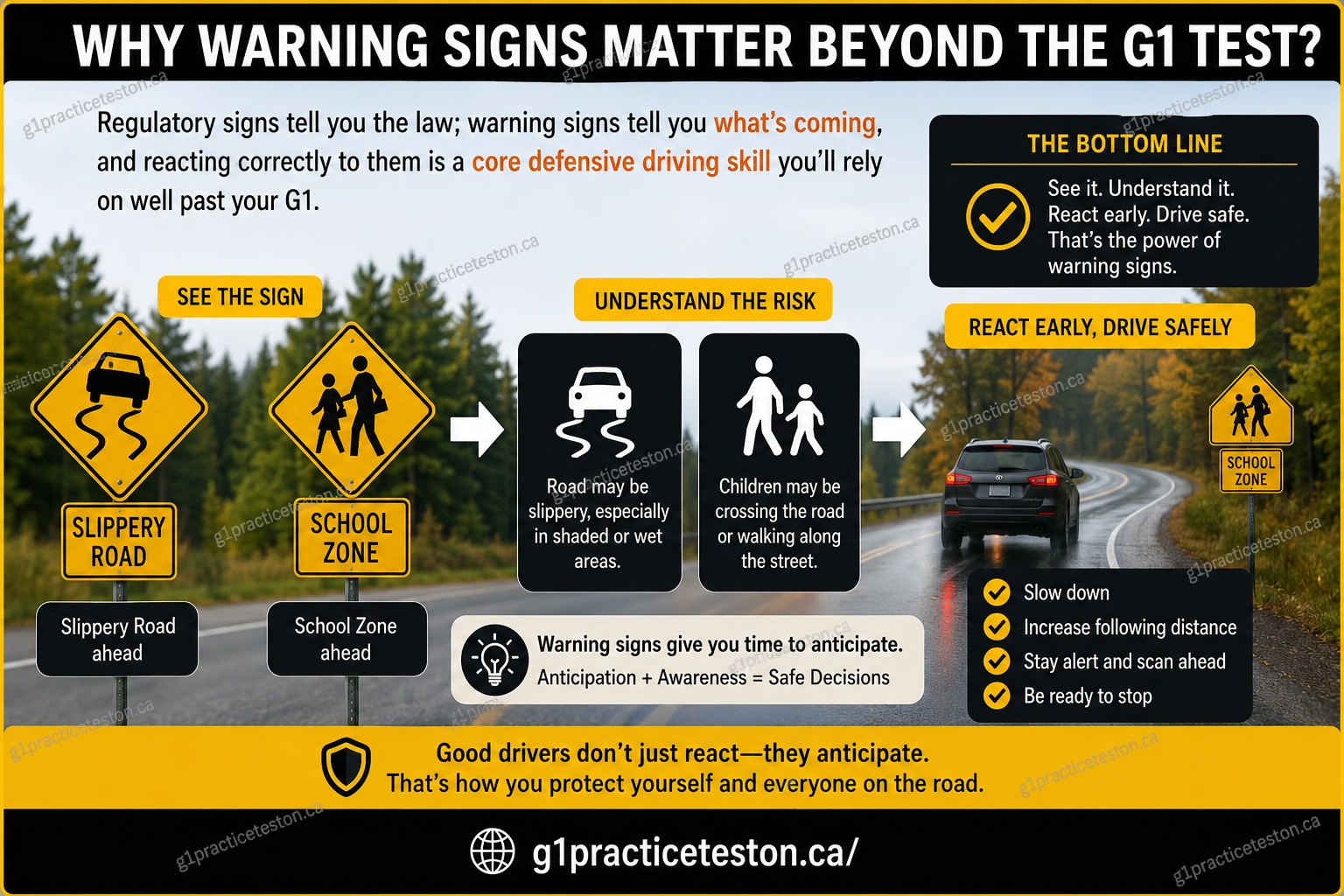
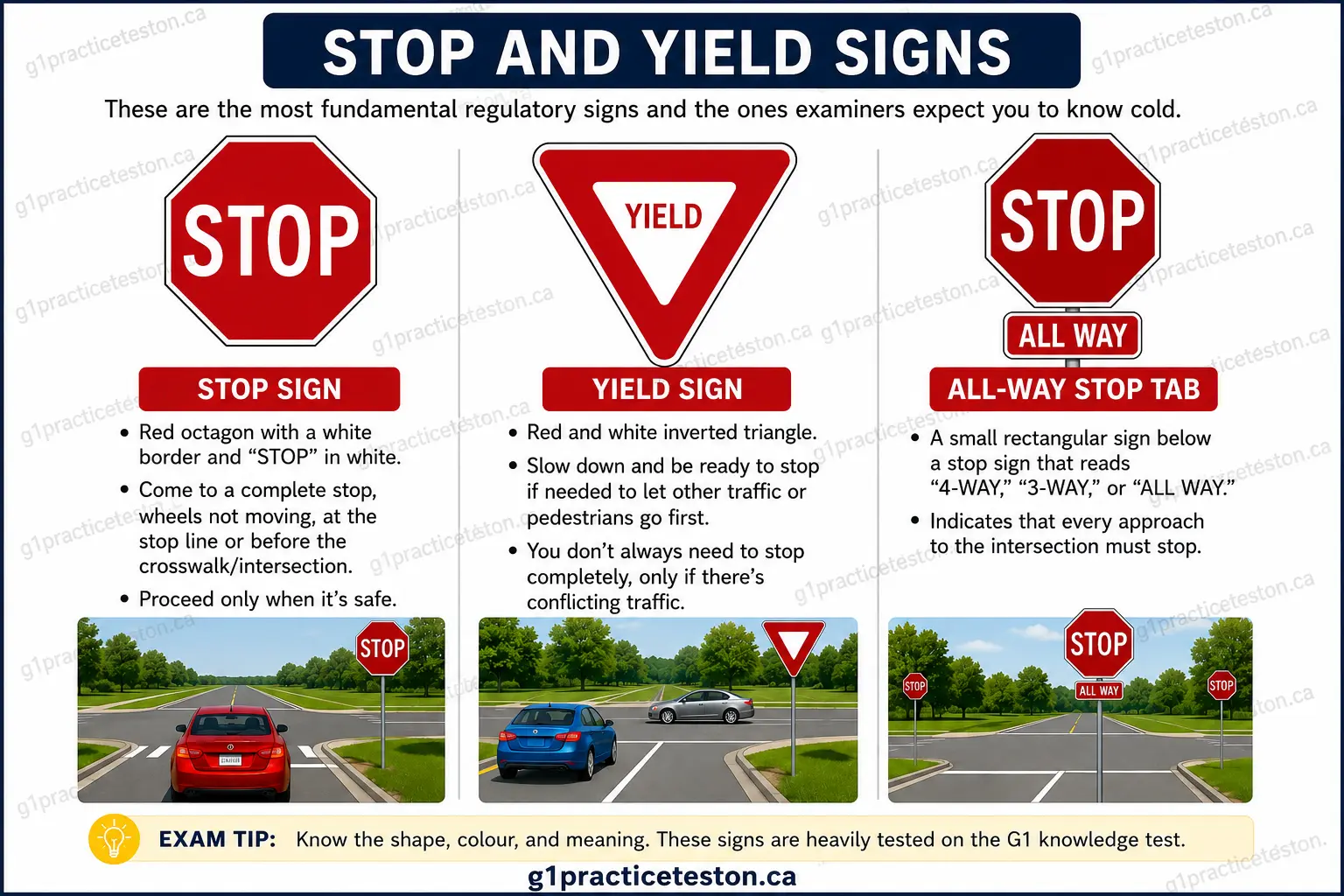
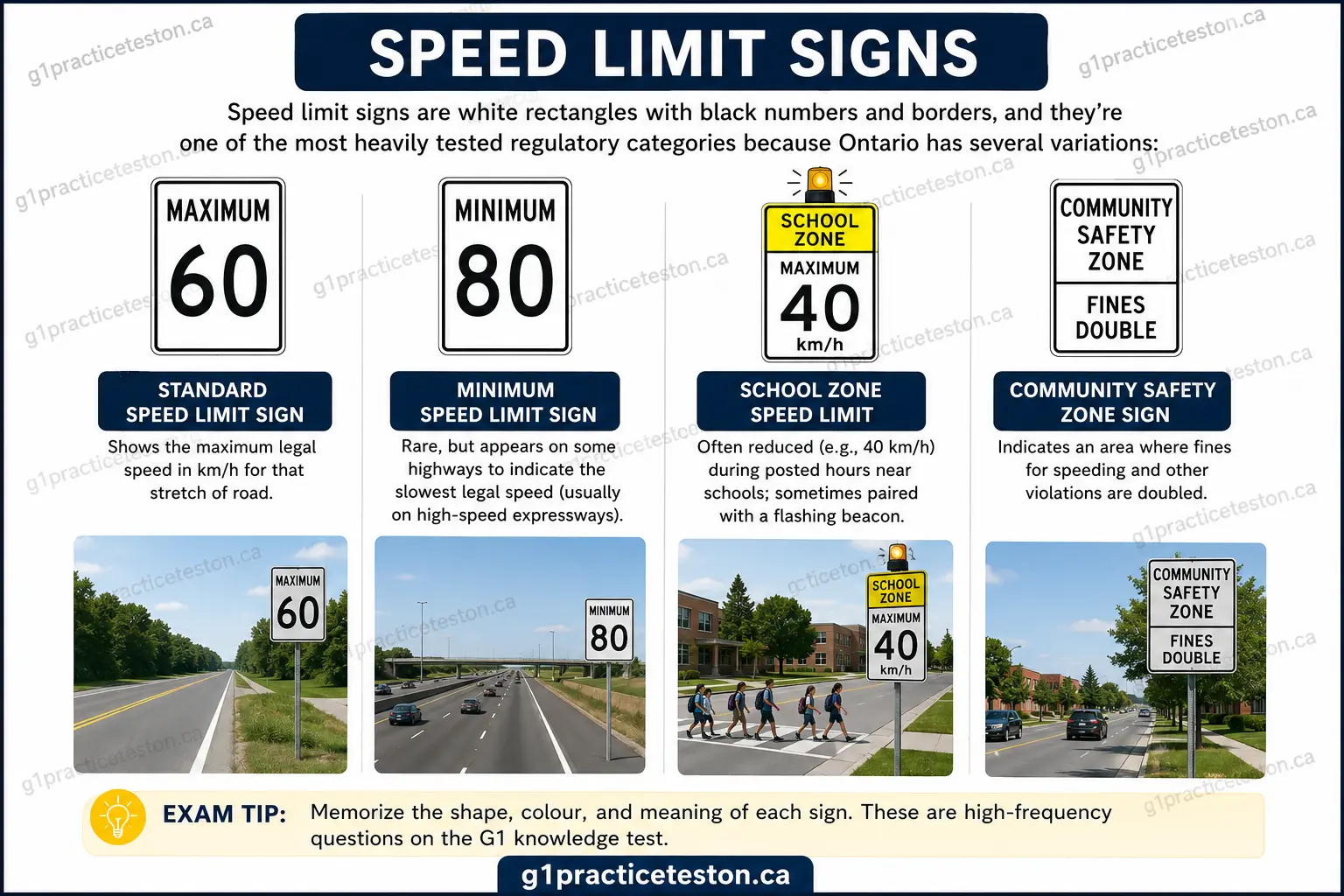
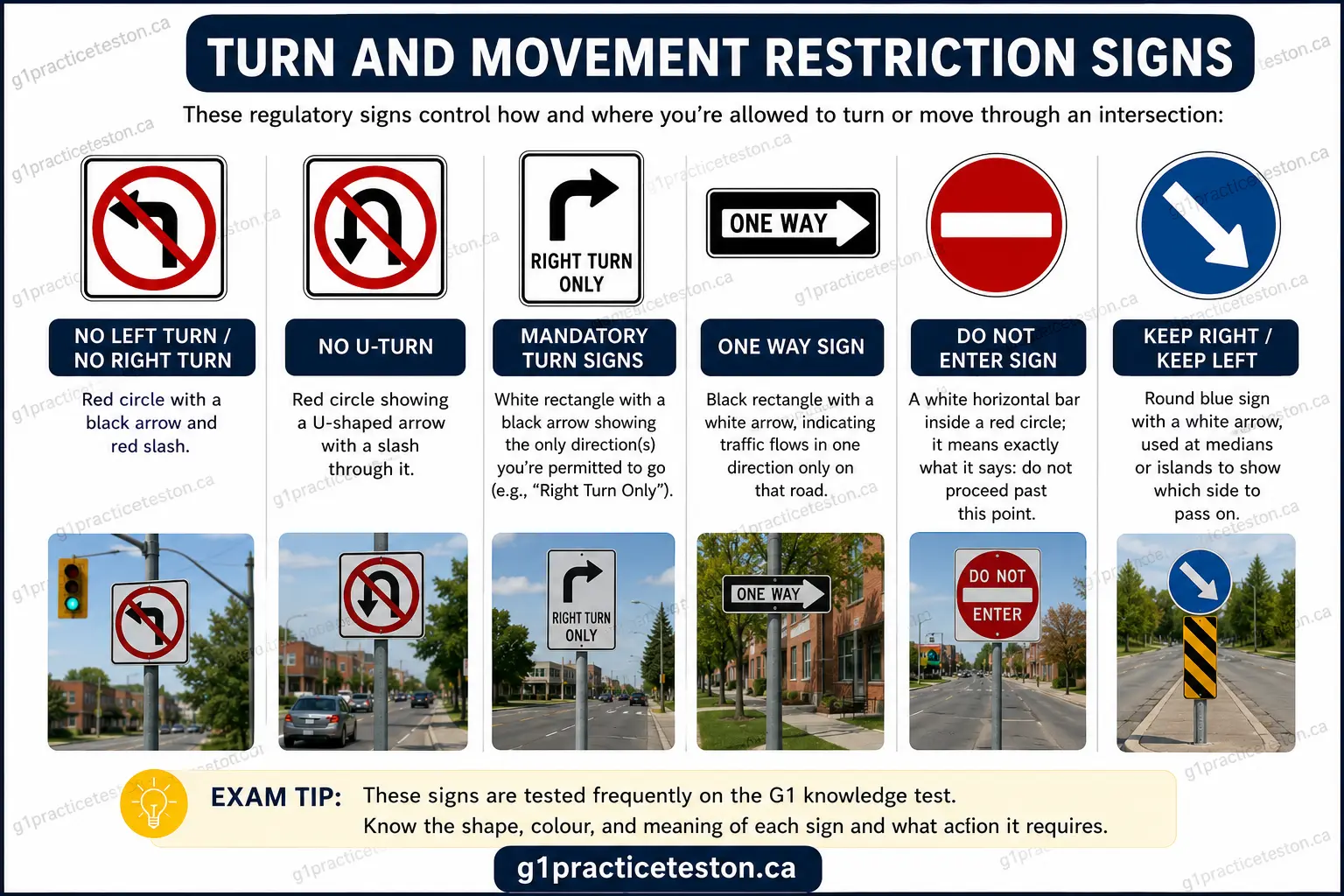
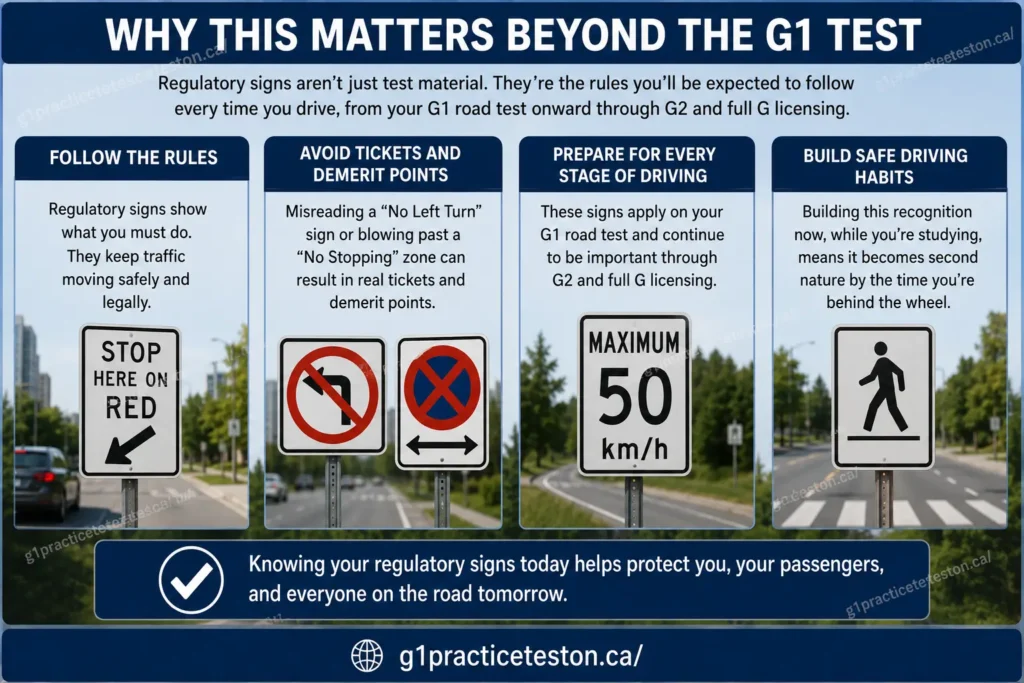
- Pass a written knowledge test on the rules of the road and traffic signs
Identification you’ll need
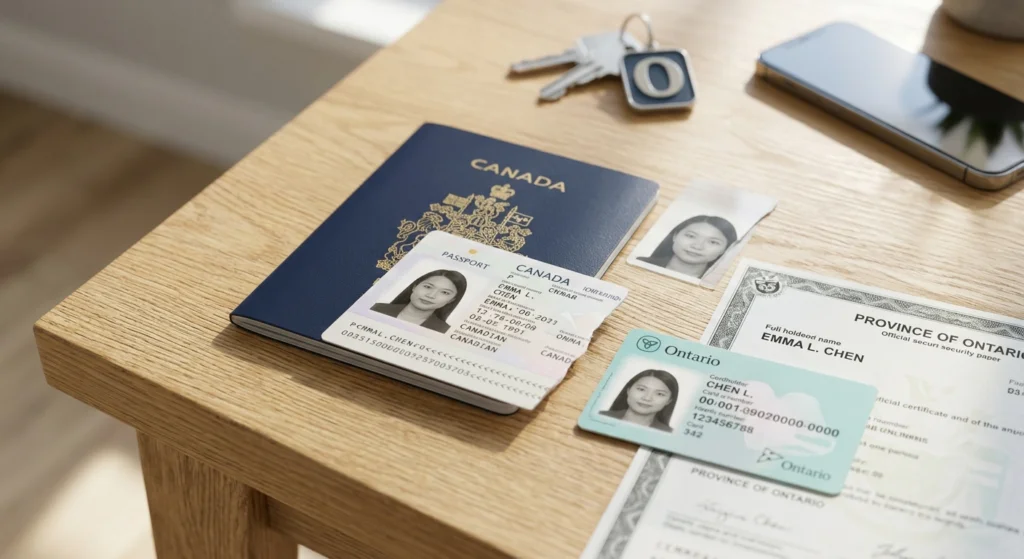
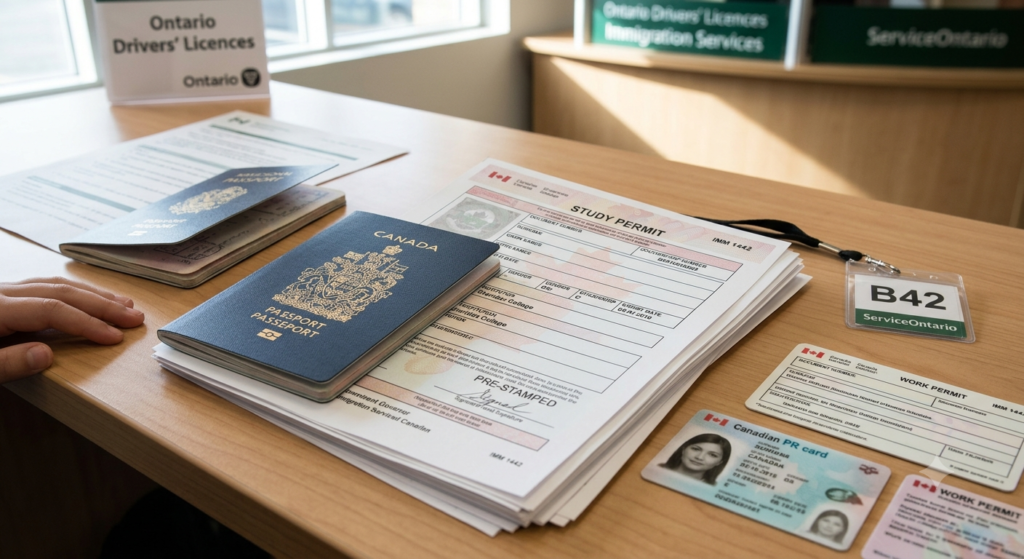
Proof of legal name, date of birth, and signature. One primary document such as :
A Canadian or foreign passport,
Canadian Citizenship Card with photo,
Permanent Resident Card,
Ontario Photo Card,
or valid temporary immigration documents.
If your document doesn’t show both your legal name and full date of birth, a secondary document (commonly a birth certificate) is required.
About the knowledge test
It’s 40 multiple-choice questions.
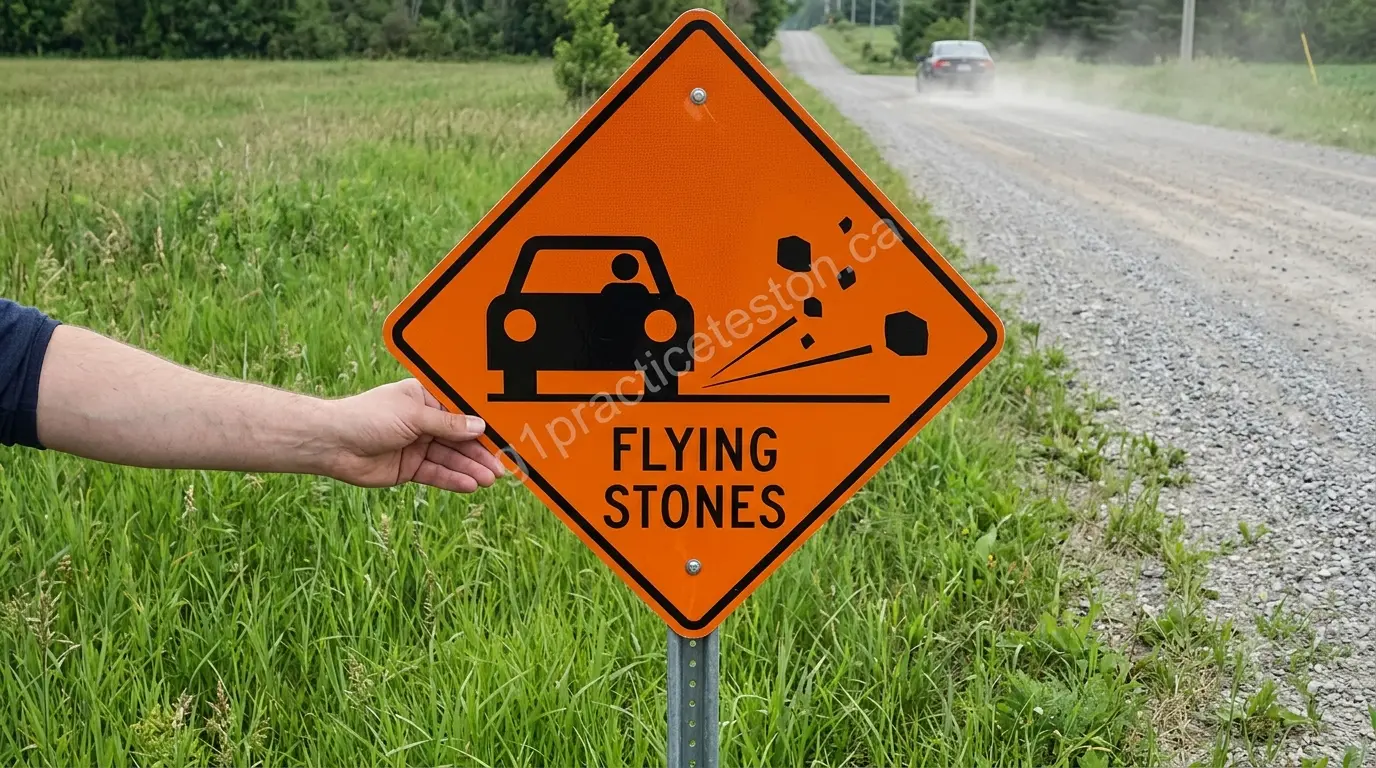
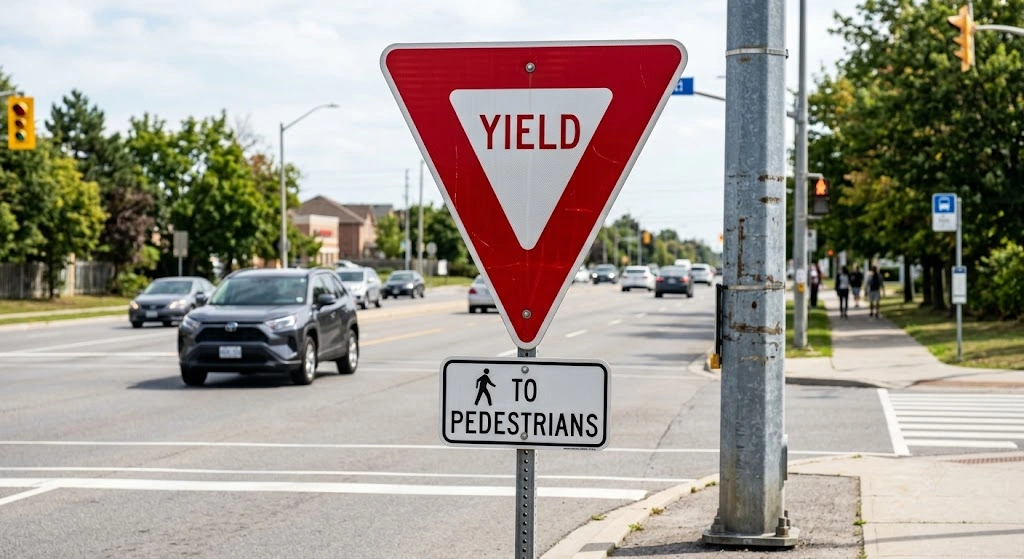
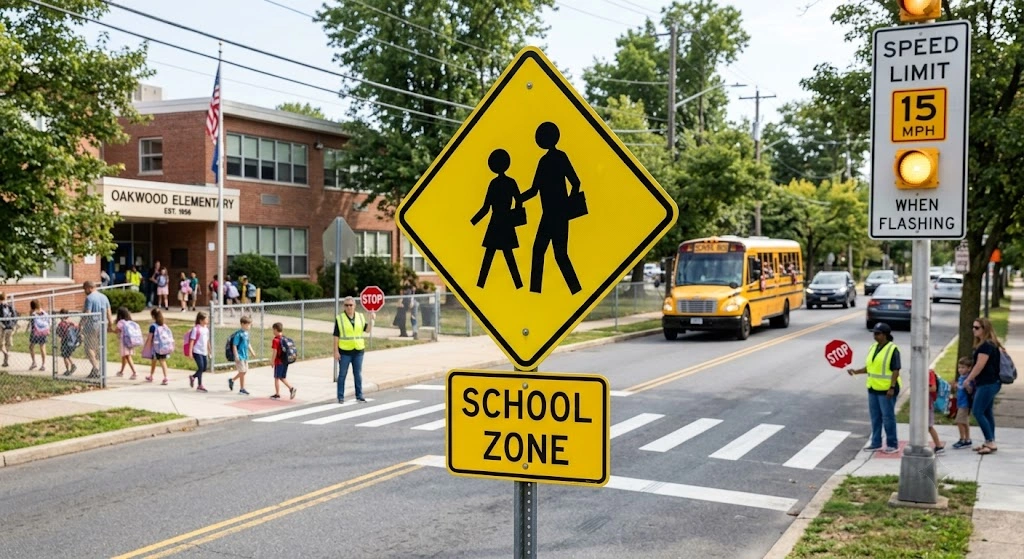
20 on road signs,
20 on rules of the road
and you typically need at least 16/20 in each section (80%) to pass.
It takes about 20–30 minutes; walk-ins are accepted at any DriveTest centre, and some locations offer a computer-based version.
Check our detailed guidelines for G1 Driving test requirements.
As of May 11, 2026
When you apply for a Class G or Class M licence, you must also declare that Ontario is your primary place of residence and that your presence in Canada is legal.
G1 licence fees in Ontario (2026)
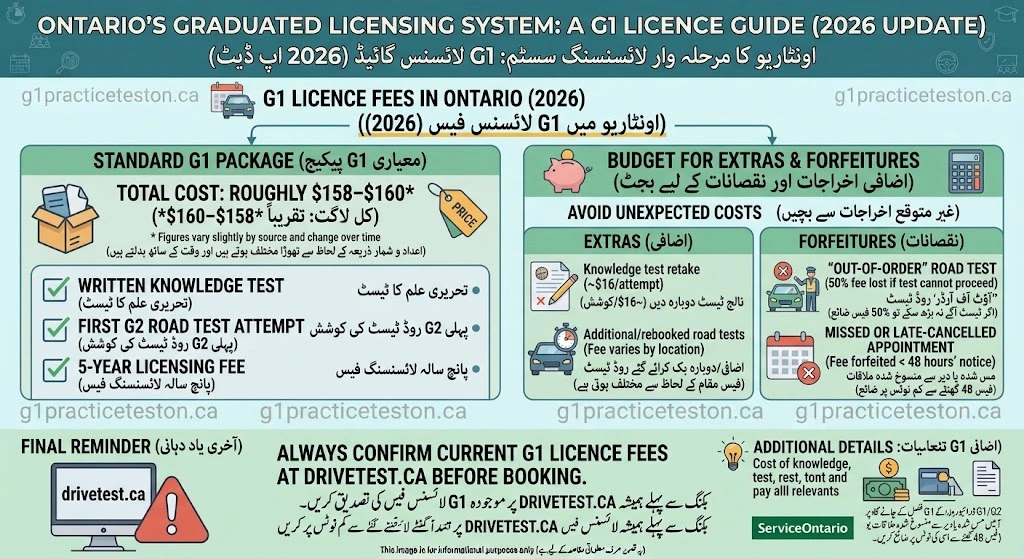
The standard G1 package costs roughly $158–$160 (figures vary slightly by source and change over time), typically bundling the written knowledge test, your first G2 road test attempt, and a five-year licensing fee.
Budget for extras: knowledge test retake (~$16/attempt), additional or rebooked road tests (fee varies by location), an out-of-order road test (50% of the fee is lost if the test can’t proceed), and a missed or late-cancelled appointment (prepaid fee forfeited under 48 hours’ notice).
Always confirm current G1 licence fees at drivetest.ca before booking. They’re periodically adjusted.
How Ontario’s graduated licensing system works
|
Stage |
What happens |
Minimum time held |
|---|---|---|
|
G1 |
Written test passed, supervised driving only |
12 months (or 8 with a BDE course) |
|
G2 |
G1 exit road test passed, independent with conditions |
12 months |
|
Full G |
G2 exit road test passed, no novice restrictions |
– |
For most people, the entire process takes 20 to 24 months. You have up to five years from the date you receive your G1 to complete it.
If you don’t finish in time: still at G1 when the five years are up means you must rewrite the knowledge test for a new G1; already at G2 means you can retake the G1 road test to renew your G2 status for another five years.
G1 licence restrictions you must follow in Ontario
Once you have your G1, Ontario applies a specific set of restrictions every time you get behind the wheel:
No driving alone.
You must always be accompanied by a fully licensed driver with at least four years of experience, seated in the front passenger seat. The only other person permitted up front.
Zero blood alcohol.
Your BAC must be 0.00. No alcohol, no cannabis, no impairing substances, no exceptions.
No driving midnight–5 a.m.
Fatigue and low visibility disproportionately affect new drivers’ collision risk.
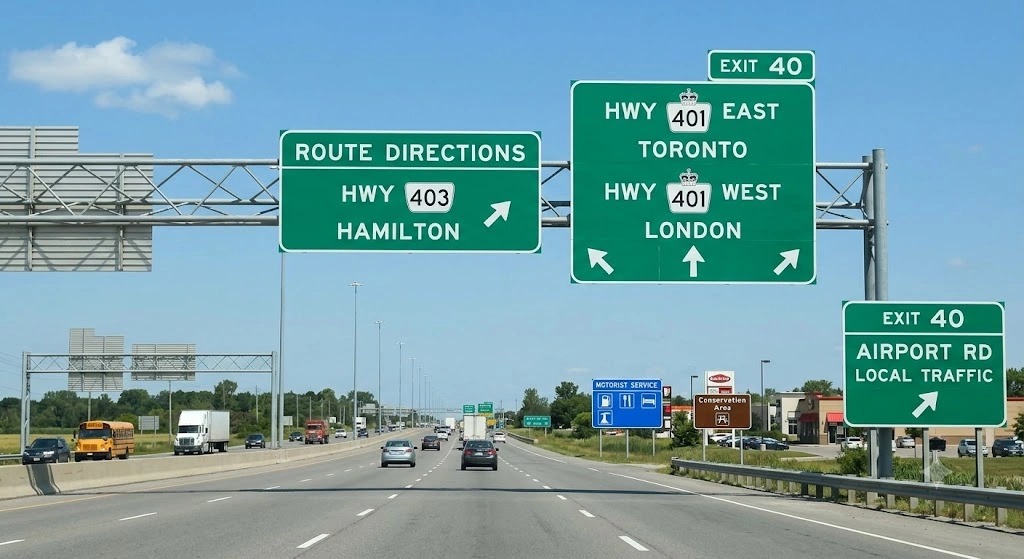
No 400-series highways or high-speed expressways
Unless your accompanying driver is a certified instructor. (The next section covers exactly which roads this G1 highway restriction means in practice.)
Seatbelt rule.
Every passenger needs a working seatbelt, and you can’t carry more passengers than working seatbelts.
Which roads are you actually restricted from?
In practice: a rural county road, a provincial highway, or a municipal expressway posted at 90 km/h is generally fine for a G1 driver to use — unless it’s specifically on that list. This is why new drivers in Huron County, along Highway 17 near Thunder Bay, or on Highway 11 between Barrie and North Bay can legally practise on those roads: they’re not “King’s Highways” on the restricted list, regardless of posted speed.
Roads that surprise people by being legal for G1 drivers despite feeling like highways:
- Lincoln Alexander Parkway and Red Hill Valley Parkway (Hamilton)
- Highway 35/115 between Oshawa and Peterborough
- The 80 km/h section of Highway 406 in St. Catharines
- Highway 174 (Ottawa)
The actual rule (Ontario Regulation 340/94, Section 5) restricts only the highways specifically named in the regulation. Not every road posted above 80 km/h. The named list behind Ontario’s 400-series highway restriction for G1 drivers is:
- 400-series highways (400, 401, 402, 403, 404, 405, 406, 409, 410, 412, 416, 417, 418, 420, 427) where the posted limit exceeds 80 km/h
- Highway 407, including 407 East
- The Queen Elizabeth Way (QEW)
- The Don Valley Parkway, Gardiner Expressway, and E.C. Row Expressway
- The Conestoga Parkway (between its Highway 7/8 and Highway 86 limits)
The instructor exception: if your accompanying driver is a certified Ontario driving instructor, the highway restriction lifts entirely. You can drive on any road.
Correcting a common mistake
In an Ontario driving forum, a parent whose son held a G1 was told by his instructor that he couldn’t drive on any road with a speed limit over 80 km/h. That’s incorrect, and it matters a lot if you live outside a major city.
Who can be your accompanying driver?
Your supervising driver must:
- Hold a full Class G licence (or equivalent) with at least four years of driving experience. The time at G2 counts, as long as that licence was never suspended
- Have a BAC below 0.05%, or zero, if they’re 21 or under
- Sit in the front passenger seat and be the only other person up front
- Not be under licence suspension (demerit points are fine; suspension isn’t)
G1 demerit points and the consequences of breaking the rules
Novice drivers are held to tighter demerit-point thresholds than fully licensed drivers: 2–5 points brings a warning letter from the MTO, 6–8 points a second, more serious warning, and 9 or more a 60-day licence suspension.
|
Violation |
Typical suspension |
Typical fine |
|---|---|---|
|
Driving without a supervisor |
30–90 days |
~$110 |
|
Impaired driving |
3-day roadside + 30–90 days |
$60–$1,000 + reinstatement |
|
Driving midnight–5 a.m. |
30–90 days |
$60–$500 |
|
Passengers > seatbelts |
30–90 days |
$60–$500 |
|
Distracted driving |
30–90 days |
$615–$1,000 |
Novice drivers also fall under Ontario’s escalating penalties program; repeated violations can mean losing your licence and restarting the graduated licensing process from scratch. These penalties don’t disappear once you reach G2 or full G either: HTA convictions, at-fault collisions, and suspensions stay visible to insurers for three to six years, which is exactly why a clean G1/G2 record matters for future premiums.
Moving from G1 to G2
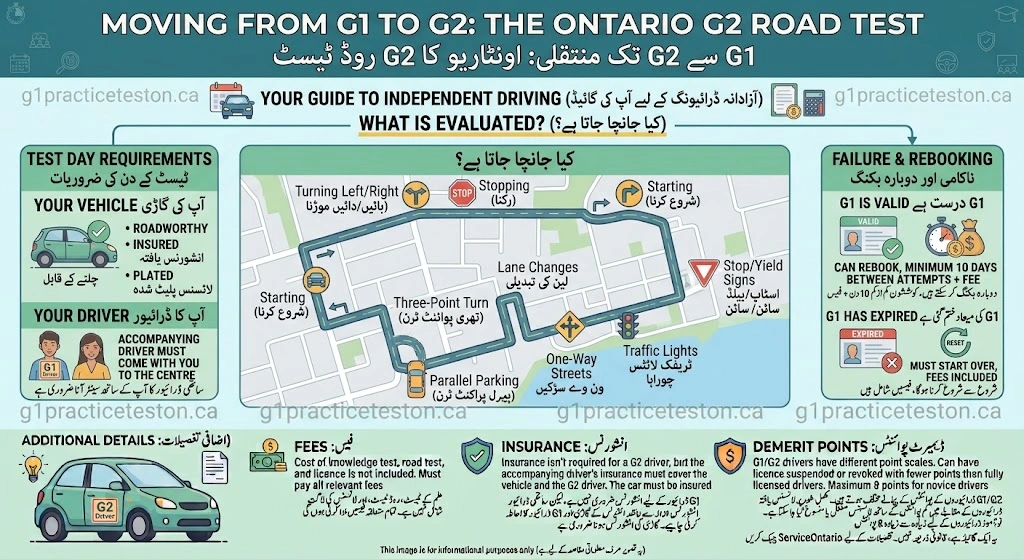
Once you’ve held your G1 for the required period, you can book the G2 road test. It evaluates fundamentals: turning left and right, stopping, starting, parallel parking, three-point turns, lane changes, one-way streets, intersections, traffic lights, and stop/yield signs.
You’ll need a roadworthy, insured, plated vehicle for the test, and your accompanying driver must come with you to the test centre. If you fail and your G1 is still valid, you can rebook (minimum 10 days between attempts, plus the fee).
If your G1 has expired, you’ll need to start over, fees included.
How long do you have to hold a G1?
- 12 months minimum, standard timeline
- 8 months if you complete a ministry-approved Beginner Driver Education (BDE) course
- Your G1 itself is valid for 5 years from the date it’s issued
A BDE course must run at least 40 hours (roughly 20 in-class, 10 in-vehicle, 10 flexible), delivered only by ministry-licensed schools and instructors.
Car insurance for G1 drivers
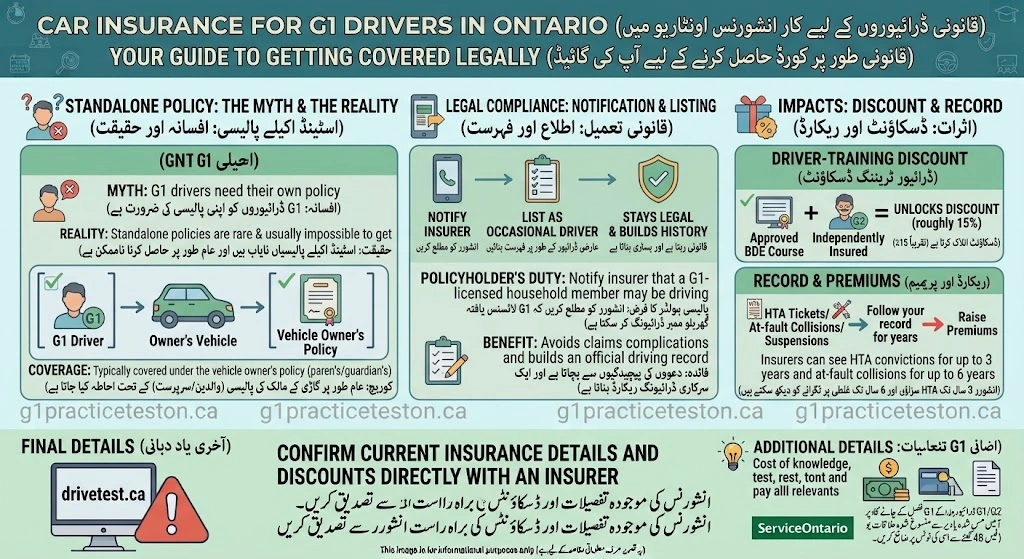
A common misconception is that G1 drivers need their own policy. They don’t, and in most cases can’t get one as a standalone product.
- G1 drivers are typically covered under the vehicle owner’s policy (usually a parent’s or guardian’s)
- The policyholder should notify their insurer that a G1-licensed household member may be driving. This avoids complications with claims later
- Being listed as an occasional or secondary driver keeps things legal while you build a driving history
- An approved BDE course can unlock a driver-training discount of up to roughly 15% once you’re independently insured
- Tickets, at-fault collisions, or suspensions during G1/G2 follow your record and can raise premiums for years after. Insurers can see HTA convictions for up to three years and at-fault collisions for up to six
Buying a car with a G1 licence, can you?
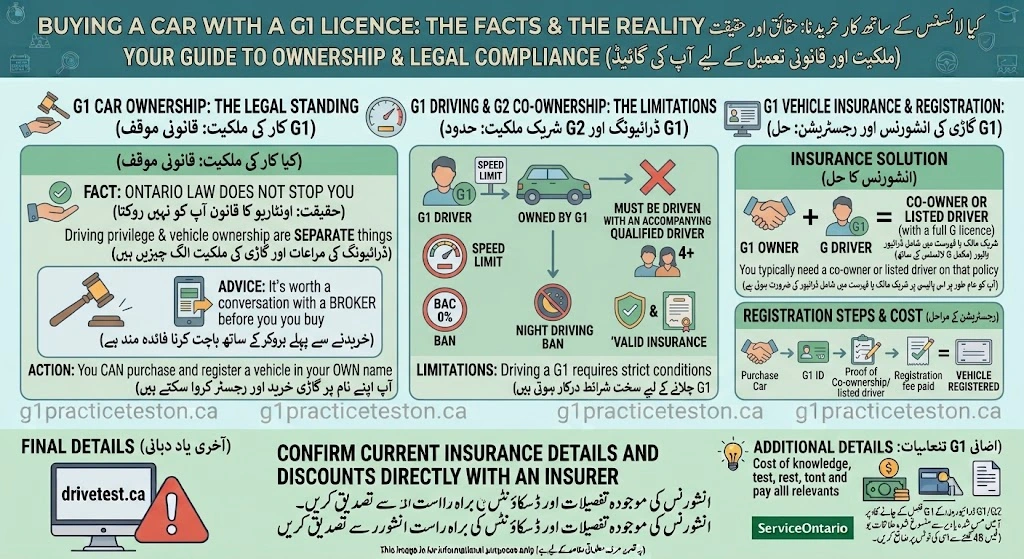
Yes. Ontario law doesn’t stop a G1 holder from purchasing or registering a vehicle in their own name. Driving privilege and vehicle ownership are separate things.
You can buy and register a car while still on your G1, but you still can’t drive it without an accompanying qualified driver and valid insurance in place. Since you can’t hold a standalone policy as a G1 driver, you’ll typically need a co-owner or listed driver with a full licence on that policy, worth a conversation with a broker before you buy.
Getting a G1 licence without a car to practice in
From real driver questions
This comes up more than people assume. Plenty of new drivers are adults in their 20s, 30s, or later who never learned at 16 and don’t have a family member or friend with a car.
It’s genuinely common, and there’s no meaningful “too late”. People have gone through the G1 process successfully in their late 20s, 30s, and even 50s.
If you’re starting with zero car access:
- Driving schools supply the car. Most licensed schools provide the vehicle for both lessons and, often, the road test itself, since the instructor’s car has dual brake pedals.
- Typical lesson packages run 10–20 hours of in-car instruction; many new drivers find 15–20 hours gives noticeably more confidence than the legal minimum.
- Car-sharing isn’t a reliable backup for testing. Most car-share providers, Zipcar included, no longer permit their vehicles for road tests. Confirm current policy before planning around it.
- There’s no need to rush. You have up to five years to complete the whole GDL process, so pace your G1 stage around your actual budget and schedule.
- Ask before assuming no one can help. Even occasional supervised practice. A rented car, a driving school’s car outside paid lesson time — can meaningfully cut down how many paid hours you need.
Tips & best practices for new G1 drivers
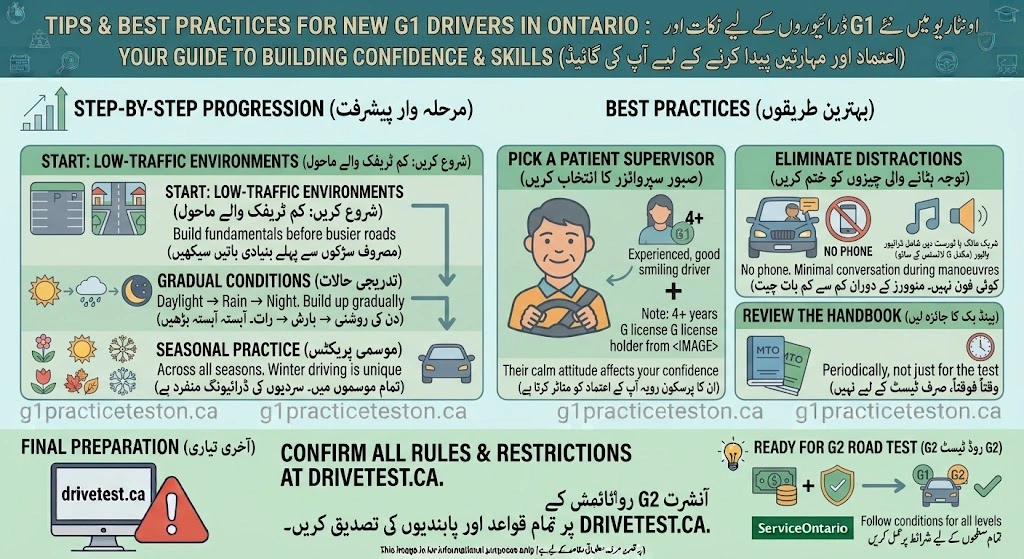
- Start in low-traffic environments, quiet residential streets, empty parking lots. Before busier roads
- Practise in daylight and good weather first; build up to harder conditions gradually
- Pick a supervising driver who’s patient and calm; their attitude affects your confidence more than you’d expect
- Keep the car free of distractions. No phone, minimal conversation during tricky manoeuvres
- Review the Official MTO Driver’s Handbook periodically, not just before the knowledge test
- Get practice across different seasons if your window allows. Winter driving is a different skill entirely
Why the graduated licensing system exists
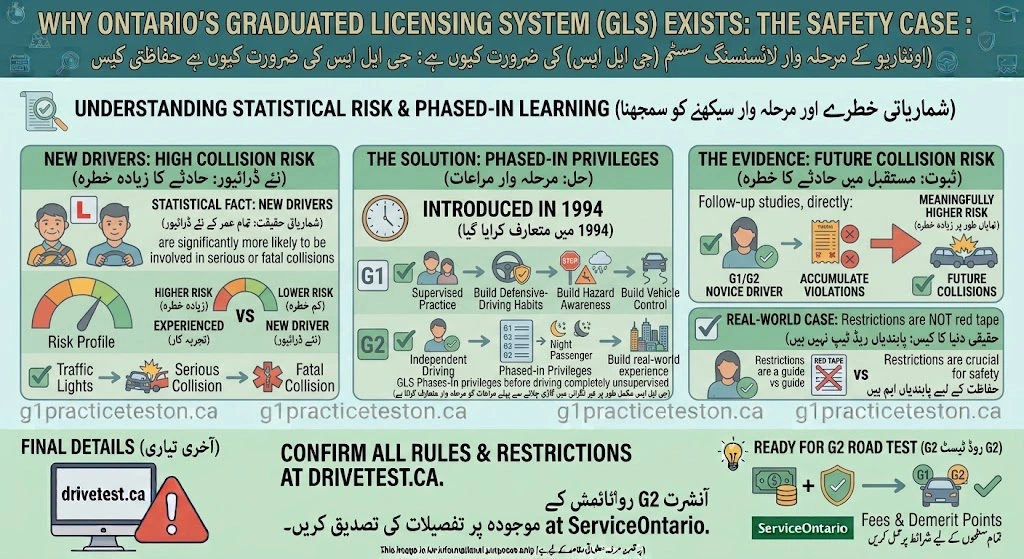
New drivers, regardless of age, are statistically far more likely to be involved in serious or fatal collisions than experienced drivers.
That risk profile is exactly why Ontario introduced the GLS in 1994: phasing in privileges gives new drivers time to build defensive-driving habits, hazard awareness, and vehicle control before driving completely unsupervised.
Studies following novice drivers have found that those who accumulate violations during G1/G2 face a meaningfully higher risk of future collisions. The real-world case for taking the restrictions seriously rather than treating them as red tape.
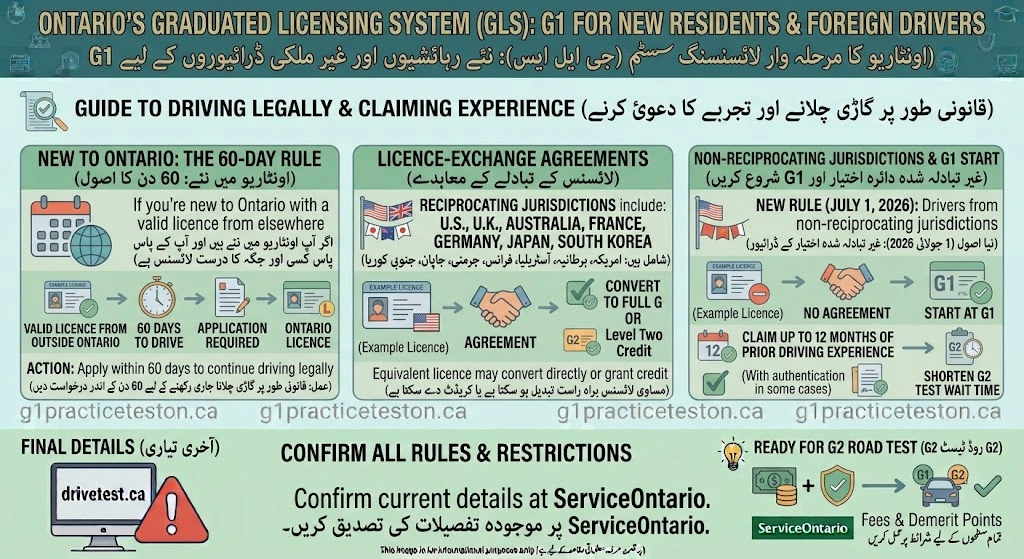
G1 for new residents & foreign drivers
If you’re new to Ontario with a valid licence from elsewhere, you can drive on it for 60 days, after which you must apply for an Ontario licence. Ontario has licence-exchange agreements with every Canadian province/territory and with countries including the U.S., U.K., Australia, France, Germany, Japan, and South Korea.
An equivalent licence from these jurisdictions may convert directly to a full Class G, or grant credit toward Level Two.
Drivers from non-reciprocating jurisdictions generally start at G1, but new rules effective July 1, 2026 allow claiming up to 12 months of prior driving experience (with authentication in some cases) to shorten the wait before the G2 test.
Frequently Asked Questions
The bottom line on G1 licence restrictions in Ontario
The G1 licence requirements themselves are simple. Turn 16, pass two tests. It’s the G1 licence restrictions in Ontario that trip people up: who can sit beside you, when you can drive, which roads are genuinely off-limits, and what a mistake actually costs. Respect them, budget for the real G1 licence fees and insurance implications, and the road from G1 to a full G is straightforward. Even if you’re starting later in life, or without a car of your own to practise in.